|
29.7
欧米におけるポピュリズムの台頭(コメント22-2)
第2回 欧州のポピュリズム Populism in Europe
|
|
|
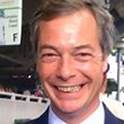
1 イギリス the United Kingdom イギリスでは、欧州連合(EU)を離脱すべきかどうかを決めるための国民投票(United Kingdom European Union membership referendum)が、昨年(2016年)6月23日に実施され、離脱支持側が僅差で勝利して欧州連合からのイギリス脱退問題、いわゆるブレグジット( Brexit、Britainとexitを合わせた語)に発展する事態となった。特に国民投票の決め手となったのは、新たにメンバーになった旧東欧諸国を含む他のEU加盟国からの移民問題である。本土からのEU移民は、自国民より教育程度が高く、仕事熱心であり、賃金にも文句を言わない。イギリス国民の懸念は、EU移民と労働市場が競合して自分達の給料は下がり、仕事は奪われ、福祉や公的サービスも過負荷となることであった。そして政府がこの問題にうまく対処出来なかったことが有権者の不満を増大させ、EU離脱に票を投じさせる要因となった。この問題を激しく国民に煽ったのが、キャメロン前首相に「変人、狂人、隠れ人種差別主義者」と言われたナイジェル・ファラージ党首率いる右翼ポピュリズム政党「英国独立党(UKIP)」である。ファラージ党首はEU脱退と移民の権利制限を訴え、この度の国民投票キャンペーンのキーマンと見られている。欧州連合(EU)離脱派が勝利したことを受け、残留を主張したキャメロン首相は翌6月24日辞任を表明した。キャメロン氏の跡を襲って、前内相のテリーザ・メイ氏が、7月11日保守党党首となり、2日後首相に就任した。メイ氏は、キャメロン氏同様、国民選挙キャンペーン中は離脱に反対していたが、英国民が望んだこととして首相就任後は離脱支持の立場に立った。彼女は、「離脱は離脱である」をキーメッセージに、移民規制を最優先事項とし、EUの「単一市場」と「関税同盟」から完全離脱することを意味する「ハードブレグジッド」を選択することを明確にした。そして今年3月29日、EUに対し離脱通知を行い、向う2年間の離脱交渉へ向け舵を切った。更に、2020年に予定されていた下院総選挙を今年6月8日に前倒しすると発表して国民を驚かせた。その理由は、離脱交渉を有利に運ぶため国内の足場固めが必要との判断からであった。彼女は交渉に当たりEU側から英国内や政府が一枚岩でないと見られることを危惧した。当初、メイ首相は保守党が過半数を大幅に上回って圧勝すると信じていた。ところが、メイ首相の賭けは裏目に出て、過半数の確保はおろか選挙前の議席を下回るまさかの惨敗、下院での議決が単独では出来ない状況となった。逆にコービン党首率いる野党労働党が大幅に議席を回復した。労働党は、EUメンバーからは離脱するものの経済的利益の大きい「単一市場」と「関税同盟」には残留するとする「ソフトブレグジッド」を掲げている。因みに、単一市場に残留するには、EU司法裁判所の取り決めに従うこと、移動の自由の原則の下に移民にいかなる制限も加えないことが求められている。 結果論として、下院総選挙では、メイ首相の掲げるハードブレグジッドには国民から“ノー”が突きつけられ、コービン労働党党首の主張するソフトブレグジッドは勢力を得た格好となった。なお、ファラージ党首の「英国独立党」はこの総選挙で1議席も取れなかった。 英独立党(Nigel Farage)
|
“The United Kingdom European Union membership referendum” took place on 23 June 2016 in England to gauge support for the country either remaining a member of, or leaving, the EU. The referendum resulted in the winning of Leave by 51.9% to 48.1% and led to the situation widely known as “Brexit”, a portmanteau of "Britain" and "exit". Specifically, the decisive factor in the referendum was immigrants from other European states including new EU members from East European countries. EU immigrants are more educated, younger, more likely to be in work and less likely to claim benefits than the UK-born. Many people are concerned that immigration reduces the pay and job chances of the UKborn due to more competition for jobs and take out in welfare and the use of public services. What the government could not manage it successfully has aggravated the voter’s dissatisfaction and become a factor to make voters cast a vote for the EU leaving. Behind Brexit, there exists the far-right populist party "the UK Independent Party ( UKIP ) " led by Nigel Farage, who was described as "fruitcakes", "loonies" and "closet racists" by the then Prime Minister David Cameron. The pro-Brexit politician Nigel Farage was regarded as one of the most important figures in the campaign of referendum, strongly appealing the the UK's withdrawal from EU and the limitation of immigrant’s right. Following the vote to quit the European Union, Prime Minister Cameron who insisted on remaining in the EU announced that he would resign on on 24 June 2016. Following Cameron's resignation, Theresa May, the former home secretary, won the ensuing Conservative leadership contest on 11 July, and was appointed Prime Minister two days later. Like Mr. Cameron, Mrs. May had been against Brexit during the referendum campaign, but is now in favor of it because she says it is what the British people want. Her key message has been that "Brexit means Brexit." Mrs. May has made it clear that the UK will take "hard" Brexit which means not to stay both in the EU single market and in the EU customs union, adopting the immigration restriction as the top priority, and she triggered the two-year process of leaving the EU on 29 March. Moreover, she surprised everyone by announcing that she called an early general election on 8 June 2017, which was scheduled in 2020. The reason she gave was that she needed to strengthen her hand in Brexit negotiations with European leaders. She feared that the country looks divided to other EU leaders and making her government look weak. Mrs. May believed at first that her Conservatives will win an overwhelming victory, significantly exceeding a majority in the election. However, her gamble backfired and she lost her overall majority and ended up with fewer MPs (member of parliament) than before the campaign, meaning she no longer has enough Conservative MPs to guarantee winning votes in the House of Commons. On the contrary, the opposition Labour Party led by Jeremy Corbyn greatly regained their parliamentary seats. Labour has wanted “soft” Brexit that the UK retains all the benefits of being in the single market and in the EU customs union, even though it does not necessarily have be a member. Staying in the single market means the UK staying under the auspices of the European Court of Justice and having to allow unlimited EU immigration, under freedom of movement rules. As the afterthought, while Corbin’s “soft” Brexit got influence, May’s "hard" Brexit was presented with “no” in the general election. Incidentally, Farage’s UKIP could not win even one seat in the House of Commons. |
|
2 欧州本土 European continent 欧州本土でも、移民・難民危機と今も続くユーロ危機がポピュリズムを台頭させる上で大きな役割を果たした。多くのポピュリズム政党が、英国のEU離脱派やトランプ米大統領の勝利で更に勢いを得て各種選挙で躍進した。彼らは、既存政党やエリート層をEUの僕に成り下がっていると批判し反EUを掲げると共に、反グローバル化、移民・難民の排斥を訴えて来た。
|
Across the European continent, immigration and refugee issue and continuing Euro crisis even now played a big role to make populism gain power. Many anti-establishment forces buoyed by the pro-Brexit referendum and US President Donald Trump’s victory have grown. They have cried foul at the activities of mainstream political elites who they accuse of being slaves to Brussels, financial markets, and trade deals. They have also complained of the anti-globalization and the exclusion of immigration and refugee.
|
|
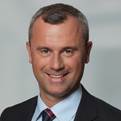
(1)オーストリア Austria オーストリアでは、昨年(2016年)5月22日に大統領選挙が行われた。オーストリアの大統領選は本来儀礼的なものであるが、移民・難民危機が大統領選を一変させた。今回の選挙は、反移民・難民感情の広がりを計るうえで、また、ナチスの時代以後初めて民主選挙でオーストリアに反移民・反EUの極右・ポピュリストの元首が誕生するのではないかという予測もあって世界から極めて注目された。2015年9月にドイツが難民に対し国境を開放した時、オーストリアはすぐにこれに追随し、ハンガリーを経てバルカン半島を北上してくる大量の移民・難民を受け入れた。その数は8ヶ月で同国の人口850万人の1%強にあたる9万人に及んだ。 大統領選の第1回投票では、反EU、反移民、反既成政党を掲げる極右・ポピュリスト政党“自由党”のノルベルト・ホーファー党首(45)が最も多くの票を集めた。国民のほぼ半数がこの党を支持したと言う。親EU、親移民、反極右で、リベラル政党「緑の党」出身、経済学教授のアレクサンダー・ファン・デア・ベレン氏(72)が個人で出馬し2位につけた。この2人を含むいずれの候補も過半数に至らなかったため、ホーファー氏とベレン氏の2人が5月23日の決選投票に進み、ベレン氏が極めて僅差ではあったがホーファー氏を抑えて当選した。得票率はベレン氏が50.3%、ホーファー氏が49.7%だった。しかし、開票手続きに不備があったとして、12月4日にやり直し選挙が行われた。最終的にこの選挙でもバン・デア・ベレン氏が今度は得票率53.3%を獲得し、ホーファー氏の46.7%に6%の差をつけ勝利した。極右の初の国家元首の誕生はかろうじて回避された。しかし、勝利が僅差だったことは、お隣のハンガリーやポーランドはもとより、国政選挙を翌年に控えたフランスやドイツの極右・ポピュリスト政党に弾みを与えたと見られている。特に1ヶ月後の6月には、イギリスでEU離脱の可否を問う国民選挙が予定され、更に11月には、トランプ氏が出馬するアメリカ大統領選が予定されていた。 オーストリア自由党(Norbert Hofer)
|
The Austrian Presidential elections were held on 24 April 2016. While the Austrian president's role is largely ceremonial, the migrant crisis radically altered the race. This vote was closely watched around the world as a gauge of wider anti-migrant/refugee sentiment and with the prospect that the right-wing populist head of state who insists on Euroskeptic, anti-migrant may take office for the first time in a democratic election in post-Nazi Europe. When Germany opened its borders to migrants in September 2015, Austria followed suit and accepted thousands of migrants who come up north through Hungary from the Balkan Peninsula. The number of migrants and refugees reached 90,000 which is equivalent to upper 1 % of the country’s 8.5 million populations in 8 months. In the first round of the election, Norbert Hofer of the far-right populist party “Freedom Party of Austria (FPÖ)”, who campaigned on Euroskeptic, anti-migrant/refugee and anti-establishment platform, received the most votes. Almost half of the Austrian population had expressed its support for this party. Alexander Van der Bellen, a 72-year-old economics professor and former Austrian Green Party leader, who emphasized his pro-EU, pro-immigrant and anti- far-right stance contesting as an independent, placed second. Since no candidate received a majority of the vote, Hofer and Van der Bellen went head-to-head in the second round on 23 May 2016. During the runoff, Van der Bellen defeated Hofer. The percentage of the vote in the runoff round obtained by Van der Bellen was 50.3% and Hofer was extremely close behind on 49.7%. However, the results of the second round were annulled because the vote were improperly counted and a re-vote took place on 4 December 2016. Van der Bellen ultimately won the second round re-vote by 6% margin, which Van der Bellen was credited with 53.3% of votes, and Hofer with 46.7%. Anyway, the result averted the first right-wing populist head of state taking office. However, it seems that the narrowness of the victory gave momentum to the far-right populist parties in much of Europe from neighboring Hungary and Poland to France and Germany. Particularly, in Britain, voters were scheduled to decide next month (June) whether their country will stay in the EU, and the election of US President-elect Donald Trump was scheduled in November in the same year (2016). |
|
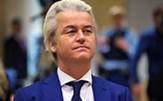
(2)オランダ The Netherlands オランダは、小国ながらEU原加盟6カ国のうちの一つである。今年3月15日、下院150名の議員全てを選ぶ総選挙が実施された。この選挙は、欧州の大国フランスやドイツで予定されている国政選挙で極右・ポピュリズム政党が如何に躍進するかを先んじて計る今年最初のリトマス試験紙と見られていた。今回のオランダ選挙では、向こう4年間の連立政権がどういう党の組み合わせになるのか、また、反イスラムを掲げるヘルト・ウィルダース議員の党が連立政権を意のままに出来る議席数を獲得するか否かが焦点となった。因みに、ヘルト・ウィルダース党首率いる極右政党「自由党」は、イスラムの国からの移民に対する国境閉鎖、モスクの閉鎖、コーランの禁止、更にEUからの離脱など過激な公約を掲げてきた。選挙の結果、ルッテ現首相の党が勝利し、ウィルダース氏の自由党は議席を伸ばしたものの一時予想された第1党には達せず第2党に留まった。ルッテ首相は、「英国の欧州連合離脱や米大統領選の後に、オランダは間違ったポピュリズムを食い止めた」と語った。4月のフランス大統領選や9月のドイツ連邦議会選挙を前に、この両国では、この結果は極端な国家主義と排外主義の広がりに歯止めをかけたと安堵の声があがった。オランド仏大統領は、ルッテ首相が過激主義に勝利したことを称えて祝辞を送り、シュルツ・ドイツ社民党党首は、「ほっとした。しかし、これからも開かれた自由なヨーロッパのために戦い続けなければならない」とツイートした。他方、ウィルダース氏は、選挙結果にかかわらず「愛国主義の拡大は止まらない」と語った。「移民が雇用を脅かし、難民は社会保障にただ乗りしている」という短絡的な宣伝を、オランダのみならず他のヨーロッパ諸国にある程度浸透させることに彼は成功したと言えよう。 オランダ自由党Geert Wilders |
The Netherlands is one of the six founding member states of the European Communities (EC) even if it is a small country. General election was held in the Netherlands on 15 March 2017 to elect all 150 members of the House of Representative. The election was regarded as the year's first litmus test for far-right populism ahead of national elections in far bigger European nations, France and Germany, where far-right candidates and parties are hoping to make an impact. In the Netherlands, it was about that what kind of coalition will run the country for the next four years and whether anti-Islam lawmaker Geert Wilders can win enough seats to force his way into coalition talks. Incidentally, Geert Wilders, leader of the Party for Freedom, had campaigned on radical pledges to close borders to migrants from Muslim nations, shut down mosques, ban the Quran and take the Netherlands out of the EU. As the result of election, Prime Minister Mark Rutte defeated Geert Wilders. The Party for Freedom increased seats, but could not reach the leading party which was expected at one time and stayed in the 2nd party. Following Britain's vote to leave the European Union and Donald Trump's election as U.S. president, "the Netherlands said, 'Whoa!' to the wrong kind of populism," said Rutte. Before the April’ French presidential election and the September’s German parliament election, both countries may feel very much relieved, saying the result put the brakes on the spread of extreme nationalism and antiforeignism. French President Francois Hollande congratulated Rutte on his "clear victory against extremism." In Germany, Socialist leader Martin Schulz tweeted. "I am relieved, but we need to continue to fight for an open and Free Europe." Wilders said whatever the result of the election, the expansion of nationalism which he and others in Europe represent aren't going away. He may succeed to a certain extent in impregnating his myopic campaign "Immigrant threatens an employment and refugee gets a free ride on the social security" into not only the Netherlands, but other European countries.
|
|
(3)フランス France 欧州で最も影響力を持つポピュリスト政党と見られていたのが、フランスのマリーヌ・ルペン氏率いる極右政党「国民戦線(FN)」である。そのルペン氏が今年4月のフランス大統領選の最有力候補の一人となった。この政党が急速に支持率を伸した背景には、フランス国内の経済回復の遅れや、パリ同時テロなど相次ぐテロによる治安悪化がある。フランスは、経済が好調なドイツやオランダなどと異なり、失業率が10%前後で推移し、25歳未満の若者は4人に1人が失業状態だ。こうした若者の多くがルペン氏に票を投じたものと見られている。国民戦線の矛先はグローバル化、EU主導の緊縮財政、移民問題に向けられ、既存政党に対する国民の不満を吸収した。 今年のフランス大統領選には11名が立候補した。4月23日に行われた第1回投票では、いずれの候補も過半数に達せず、得票数トップ2人のエマニュエル・マクロン前経済相とルペン氏が5月7日の決選投票に進んだ(因みに、第1回投票での得票率はマクロン氏が24%、ルペン氏が僅差の21%だった)。しかし、決選投票では、中道で親EU派のマクロン氏が、66%の得票率を得て34%のルペン氏に圧勝した。そして、5月14日、フランス史上最年少(39歳)の大統領となった。大統領選挙に続き、6月11日と18日には国民議会(下院)選挙が行われた。大統領としてマクロン氏が最初にやるべきことは、彼が創設した新党「共和国前進」が国民議会で過半数を得ることであった。議員経験が無く、議会に支持基盤を持たないマクロン氏にとって過半数の議席がなければ円滑な政権運営は出来ないからである。選挙では、「共和国前進」が、下院577議席中315議席を獲得し過半数を制した。他方、ルペン氏の国民戦線はポピュリズムの波に乗りきれなかった。ある調査によれば、国民戦線は、4月、5月の大統領選第1回投票及び決選投票の得票率から見て国民議会選挙で50議席程度を確保するだろうと見られていた。ところが、わずか8議席にとどまった。 ルペン氏の敗因は、有権者が、彼女の毒性の強い国家主義的な反EUや反移民政策では、フランスに厄災をもたらすと見たからである。2人のどちらを選ぶかの決め手となったのは、対EU政策とフランスの立場に関する正反対の二人のビジョンであった。マクロン氏が楽観的で、EUに寛容、国境を設けず欧州統合を目指すとするのに対し、ルペン氏は悲観的内向き指向で、国境の封鎖、より厳しい治安対策、移民の制限、ユーロ通貨をフランスフランに戻すことを求めた。敗因のもう一つの理由に、国民戦線の結党以来のイメージが依然として払拭されていないことが挙げられる。マクロン氏は選挙期間中、対抗馬であるルペン氏の党の暗い過去に国民の目を向けさせるためナチスのユダヤ人虐殺跡地を訪れた。彼の行動は、反ユダヤ主義やホロコーストを否定して過去に物議を醸してきた国民戦線の創立者であるルペン氏の父親ジャン =マリー・ル・ペン氏の人種差別主義を選挙民に想起させる効果があったようだ。 仏国民戦線(FN)Marine Le Pen |
Marine Le Pen’s far right National Front (FN) party in France was regarded as the most influential populist party in Europe. Le Pen has made her FN party a leading contender in April’s presidential ballot. In the background where support for this party has been increasing sharply, there are the delayed recovery of French economy, the deterioration of public security typified by the successive terrorisms such as simultaneous attacks across Paris and so on. Unlike Germany and Holland which have favorable economy, the French unemployment rate hovers at about 10 % and a quarter of young people who are less than 25 years old are jobless, suggesting that this fact likely drive many of them into voting for Marine Le Pen in the Presidential election. It can be said that Le Pen took up the popular discontent against the established politicians by attacking the globalization, the EU-led tight-financing policy and EU immigrants. Eleven candidates ran for the 2017 French presidential election. As no candidate won a majority in the first round on 23 April, a runoff was held on 7 May between the top two candidates, Emmanuel Macron, the former Economy Minister and Marine Le Pen of the National Front (FN). (The percentage of the vote in the first round obtained by Macron was 24% and Le Pen was close behind on 21%.) In the May 7 runoff, French voters chose centrist and pro-EU candidate Emmanuel Macron as their next president, and by a substantial margin, which Macron was credited with 66% of votes, and Marine Le Pen with 34%. Macron became president on 14 May as the youngest president (39 years old) in the French history. The presidential election was followed by legislative elections to elect members of the National Assembly on 11 and 18 June. Macron’s first task as president was to attempt to ensure a parliamentary majority to support his government. For Macron who is political novice and has no support base in the National Assembly, his governmental management was anticipated to be difficult. However, in the election, “La Republique En Marche”, the party founded by Macron, obtained 315 of a possible 577 seats in the National Assembly, giving them a majority in the house. Meanwhile, Le Pen's FN failed to capitalize on the populist wave. After qualifying for the first round and runoff of the presidential election back in April and May, pollsters had predicted her FN party could win as many as 50 seats in the National Assembly. But, Le Pen's party won only 8 seats in the 577-seat National Assembly. As to the cause of her defeat, French voters believed that her virulently nationalist anti-EU and anti-immigration politics would spell disaster for France. The selection of Le Pen and Macron presented voters with the starkest possible choice between two diametrically opposed visions of the EU’s future and France’s place in it. It set up a battle between Macron’s optimistic vision of a tolerant France and a united Europe with open borders against Le Pen’s darker, inward-looking platform that called for closed borders, tougher security, less immigration and dropping the shared euro currency to return to the French franc. Another was that the National Front’s history intruded on the election campaign. Macron was visiting the site of a Nazi massacre, drawing attention to his rival’s troubled background. His maneuver may have reminded voters of her party’s history of racism such as anti-Semitism and the Holocaust, which kept it on the fringes of French politics under her father Jean-Marie. |
|
(4)ドイツ Germany ドイツはEUの統合深化を推進する欧州の盟主として知られるが、そのドイツでも、東ドイツ生まれの女性科学者フラウケ・ペトリー氏が率いる新興政党「ドイツのための選択肢」(AfD)が反EUや反移民を主張し勢力を伸している。AfDは、2013年2月、財政危機に陥ったギリシャに代表される南欧諸国に対する支援に反発し、ユーロ圏離脱を掲げて結党した。更にAfDは、2015年9月、メルケル首相が難民に対し国境を開放する政策を示したことに対し、これを強烈に批判して保守層の支持を得た。2016年1月には、「必要なら銃を使ってでも難民を阻止すべきだ」と述べ物議を醸した。彼女は、また、イスラム教は一つの政治的イデオロギーでありドイツ憲法になじまないとも主張し、トルコ系ドイツ人に対する国民の不安を吸収してきた。AfDは、ある地方選で反ユーロを掲げて初めて議席を獲得して以来、2014年から15年にかけて4つの地方選で多数の議席を確保して来た。今年9月の国政選挙、連邦議会選では初の議席獲得が有力視されている。しかし、ここに来てAfDの支持は伸び悩んでいる。過去数ヶ月の支持率は15%程度で推移していたが、6月17日公表の世論調査では10%まで低下した。これは、メルケル氏率いるキリスト教民主・社会同盟(CDU・CSU)の5分の1程度にとどまる。AfDの支持率が下がったのは、ペトリー党首はトランプ米大統領やプーチン・ロシア大統領の支持者であり、彼女がトランプ米大統領のような「でたらめな政治手法」に同調することを几帳面なドイツ人気質が許さなかったのではないかという見方がある。なお、ペトリー党首は、オランダのウイルダース自由党党首と共に「ドイツのトランプ」と称されている。 ドイツAfD (Frauke Petry)
|
While Germany is known as the leader in Europe which promotes the deepening of EU's integration, a new right-wing populist party “Alternative for Germany (AfD) headed by an East German-born female scientist Frauke Petry who insists on Euroskeptic, anti-migrant/refugee has extended its influence. The AfD was formed in 2013 to oppose German-backed bailouts for poorer southern European countries such as Greece and take Germany out of the euro. Moreover, when Chancellor Merkel opened its borders to the large numbers of migrants seeking asylum in September 2015, Ms. Petry has gotten a strong support of the conservatives, harshly criticizing Merkel’s liberal refugee policy. And she aroused a public controversy in Jan 2016, saying German police should "if necessary" shoot at migrants seeking to enter the country illegally. She also took the people’s anxiety over the Turkish German issue, saying the AfD sees the Islamic religion as a political ideology that is not reconcilable with the German constitution. The AfD became the first anti-euro party to win seats in a German regional parliament, and went on to win seats in four other states' parliaments in 2014 and 2015. And it has been believed that the AfD will obtain the first seat in the state parliament election which will be held September in this year. However, the support for the AfD have failed to rise recently. After attracting around 15 % in polls in recent months, the latest opinion surveys held on 17 June put support for the AfD at only 10 %. This is only a fifth of Merkel ‘s CDU・CSU. If this poll is correct, the right-wing populist has lost around a third of their voters in recent weeks. What are the reasons for the party's seeming decline? There is a view that Petry is a strenuous supporter of the U.S. president Trump and the Russian president Putin, hence, the methodical natured German character didn’t permit her siding with "haphazard and high-handed political style" of the U.S. president Trump. Incidentally, Ms. Frauke Petry is called "Trump in Germany" together with Mr. Geert Wilders in Netherlands.
|
|
(5)その他 other European nations 欧州の南北経済格差は、縮小するどころかむしろ拡大しているようだ。南欧諸国、特にイタリア、スペイン、ギリシャ、ポルトガルは異常な財政危機の渦中にあり、富裕な北部欧州諸国から援助を受けざるを得ない状況にある。こうした国々では左派のポピュリスト政党が台頭している。
|
The North-South economic gap in Europe is more likely to widen, rather than lessen. Indeed, the Southern European states, particularly Italy, Spain, Greece and Portugal are disproportionately impacted by the Eurozone debt crisis, and forced to rely on substantial economic relief from the wealthier Northern European states. Accordingly, leftist-populist parties have extended its influence in these countries.
|
|
+ イタリアでは、この秋または来年3月までには総選挙が行われる可能性がある。選挙が行われれば、反ユーロ、反移民を掲げる政党「五つ星運動」(Five Star Movement、M5S)が勝つ可能性が濃厚になっている。若しこの党が政権を握ることになれば、ユーロ圏で3番目の経済規模を持つイタリアがヨーロッパで初めてポピュリスト政府に支配される国になる。M5Sが政権につけば、以前からこの党が求めていたイタリアのEU離脱についての国民投票が実施されることになろう。因みに、M5Sは、2009年に人気コメディアンでブロッガーのベッペ・グリッロらによって結成され、フランスのマリーヌ・ルペン氏の国民戦線(FN)よりも政権を取る可能性が高いと言われるヨーロッパ最大のポピュリスト政党となった。現在では支持率で政権与党の「民主党」(PD)を数ポイント上回るまでになっている。ただ、ここに来てM5Sは一時ほどの勢いを失っている。5月の世論調査によると、政党別支持率は、PDが28.5%で1位、M5Sは27.5%で2位と3ヶ月ぶりに与党PDを下回った。
|
In, Italy, the next election may happen in the fall and has to happen by next spring. If so, the anti-euro and anti-immigration party “5-Star” (Five Star Movement, M5S) is likely to come out on top in the next election. If M5S succeeds in forming a government, Italy, the euro zone’s third-largest economy, stands to become the first European country to be ruled by a populist government. When this party comes into power, the referendum on the Italy’s membership of the EU, which this party has been looking for since before will be taken place. Incidentally, M5S, created by Mr. Grillo in 2009, a comedian and blogger has emerged as the Europe’s biggest populist party which stands a better chance of forming a government than Marine Le Pen, the National Front in France, and is polling several points ahead of the ruling Democratic Party (PD). However, M5S has recently lost previous momentum. According to the poll in May, the support for M5S was 2nd place at 27.5 % behind PD taking 1st place at 28.5 %, and fell below PD in the last 3 months.
|
|
+ スペインのポデモス(英語で「We can」)は、左翼のポピュリスト政党で、2014年3月に主として30代の若者を中心として結成された。若者の失業率が約50%(全体では約25%)と言う危機的な状況が続く中、ポデモスは、EU主導の財政緊縮策に端を発する格差や失業、経済の停滞に対し不満を訴え勢力を伸してきた。一昨年12月の総選挙では定数350議席のうち69議席を獲得し、第3党にまでなった。
|
Podemos ("We can" in English) is the left wing populist party in Spain, which was founded in March 2014 by mainly young people in their 30s. While the critical situation represented by unemployment rates among young people which remains about 50% (25% in the overall unemployment rate) has continued, Podemos seeks to address the problems of inequality, unemployment and economic malaise that followed in the wake of the European debt crisis. At the elections for the national parliament on December 20, 2015, Podemos received 21% of the vote and became the third largest party in the parliament, with 69 out of 350 seats.
|
|
+ ギリシャでは、一昨年(2015年)1月、急進左派連合のチプラス新内閣が発足した。チプラス政権はEU主導の財政緊縮策を見直し、EU債務の削減や返済期間の延長などをEUに求めている。このためチプラス政権は、緊縮財政や歳出カットに反対する立場で共通しているとは言え、何と右翼ポピュリスト政党の「独立ギリシャ人」と連立を組んだ。 2010年以降ギリシャは、EUから国内総生産(GDP)の180%近くに上る2400億ユーロの財政支援を受けている。その返済のために、IMF, 欧州委員会、欧州中央銀行はギリシャに対し、増税、年金の凍結、早期退職の禁止、公務員給与の大幅削減を求めている。 |
In Greece, the leader of the left-wing Syriza party, Alexis Tsipras came into office as the new Prime Minister in Jan 2015. Tsipras has vowed to end austerity measures and renegotiate the terms of Greece's EU bailout. For this reason, of all things, Tsipras formed a coalition with the right-wing Independent Greeks even though this party has also opposed austerity measures and spending cuts. Since 2010, Greece has received bailouts totaling 240 billion euros which amounts to 180% of the GDP. In return, the International Monetary Fund, European Commission and European Central Bank demanded tax hikes, a freeze on state pensions, bans on early retirement and deep cuts in government salaries.
|
|
|
|


 |
|
 ホームページへ